Choosing the Right Growth Strategy in Digital Marketing
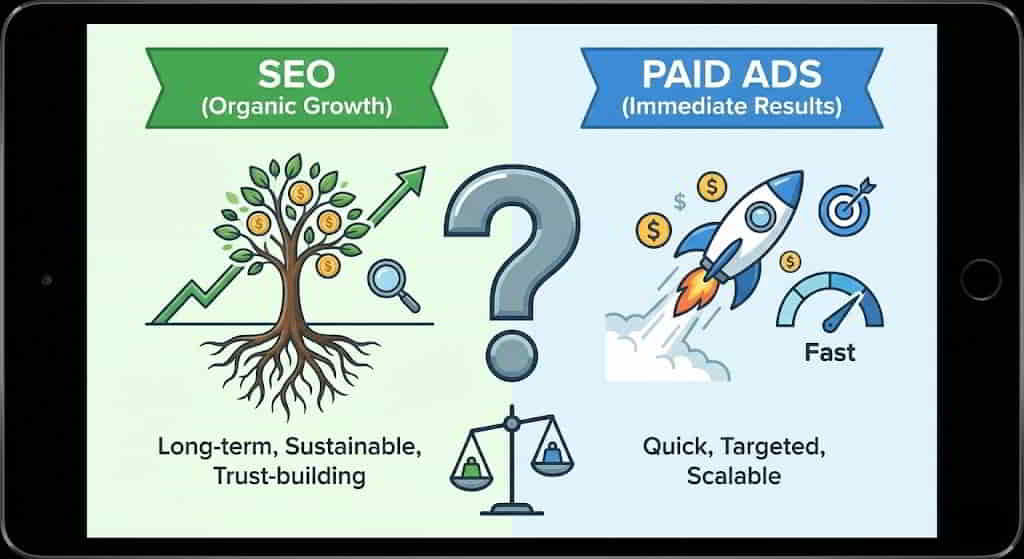
Businesses today have more digital marketing options than ever before. Among them, SEO vs paid ads is one of the most debated decisions when it comes to driving traffic, leads, and revenue.
Both strategies can deliver results—but in very different ways. Choosing the right mix depends on business goals, timelines, budgets, and long-term growth plans. Understanding how each approach works is critical to building an effective digital marketing strategy.
What Is SEO?
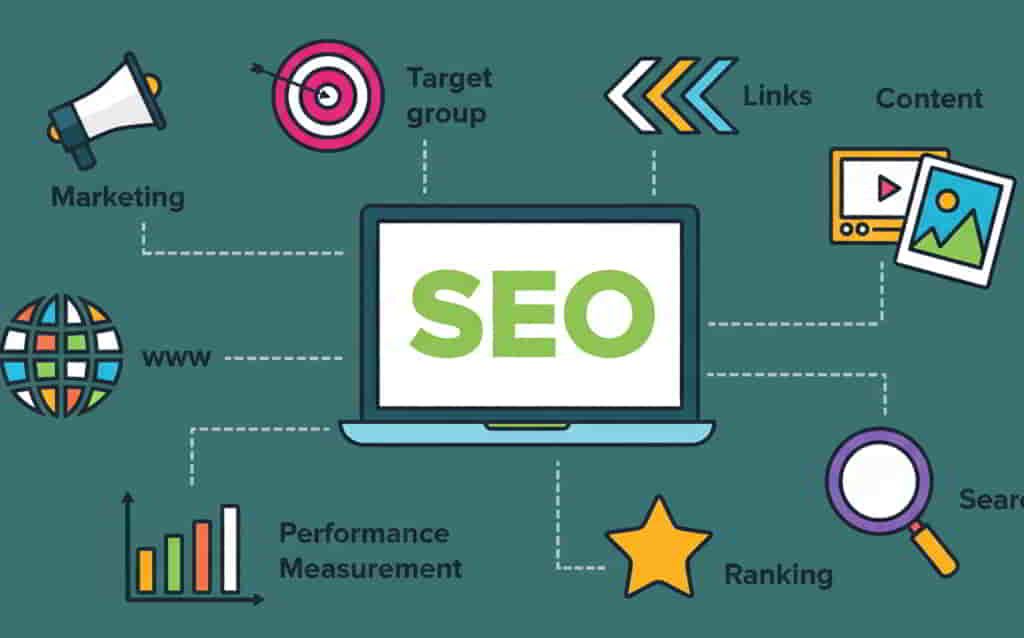
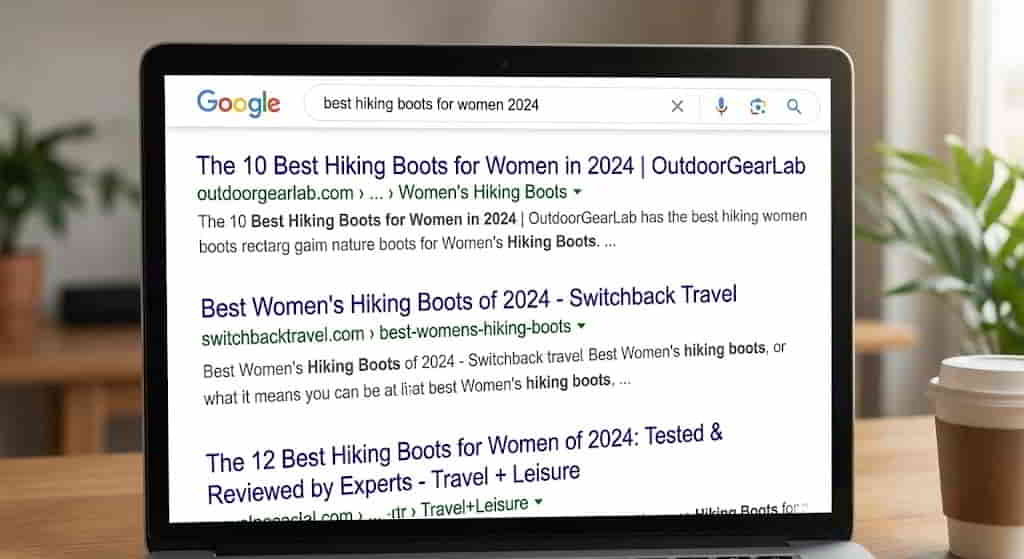
Search Engine Optimization (SEO) focuses on improving a website’s visibility in organic (non-paid) search results.
SEO includes:
- Technical website optimization
- Content creation and optimization
- Keyword targeting and on-page SEO
- Link building and authority development
SEO aims to generate consistent, long-term traffic without paying for each click.
What Are Paid Ads?
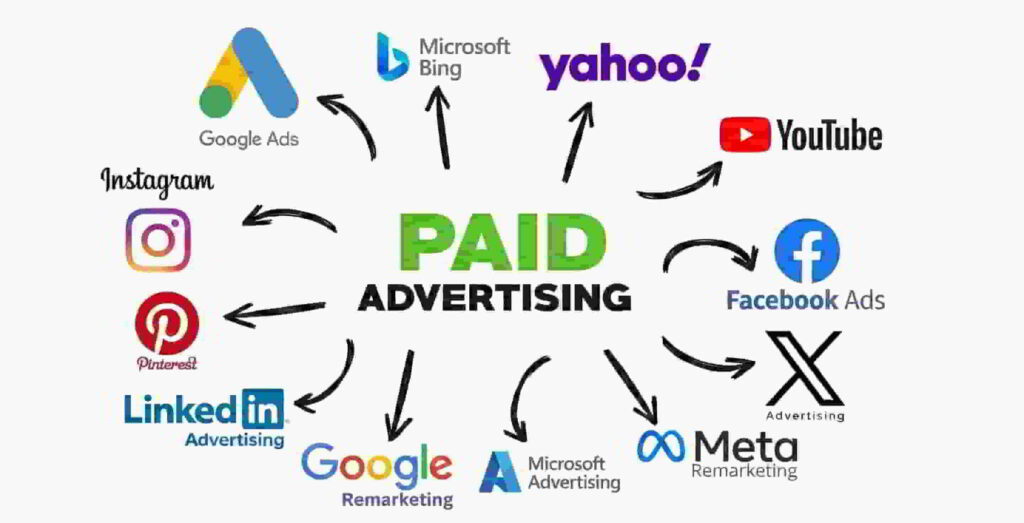
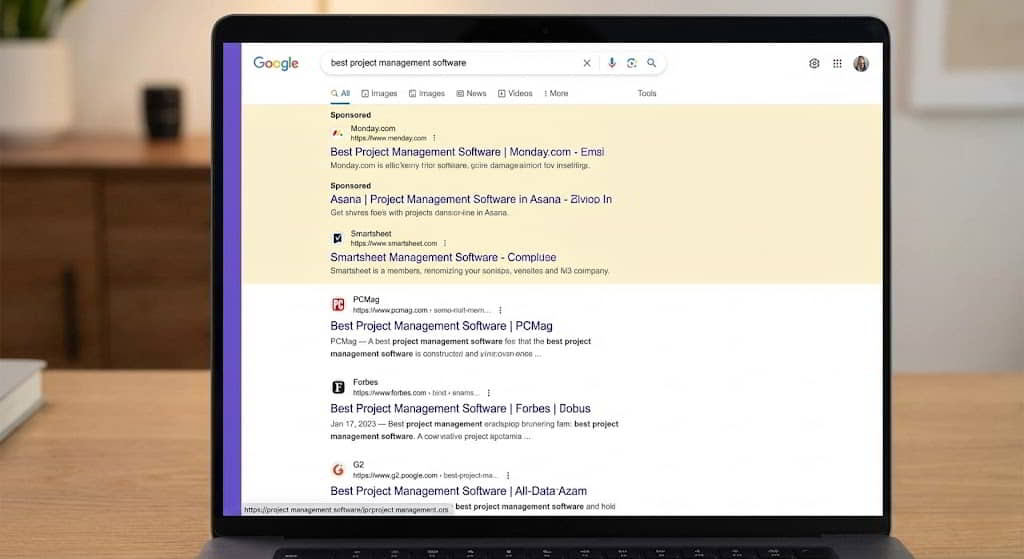
Paid ads—often referred to as PPC (Pay-Per-Click)—involve paying platforms like Google, LinkedIn, or Meta to display ads to targeted users.
Paid advertising includes:
- Search ads
- Display ads
- Social media ads
- Retargeting campaigns
In the PPC vs SEO comparison, paid ads are known for delivering immediate visibility.
Key Differences Between SEO and Paid Ads
| Aspect | SEO | Paid Ads |
|---|---|---|
| Traffic Speed | Slow build | Immediate |
| Cost Structure | Long-term investment | Pay per click |
| Sustainability | High | Ends when budget stops |
| Trust & Credibility | Strong | Moderate |
| Scalability | Gradual | Instant but costly |
| ROI Over Time | Increases | Declines without optimization |
Benefits of SEO for Long-Term Growth
1. Sustainable Traffic and Visibility
Once rankings are established, SEO delivers:
- Ongoing traffic
- Lower cost per lead over time
- Consistent brand exposure
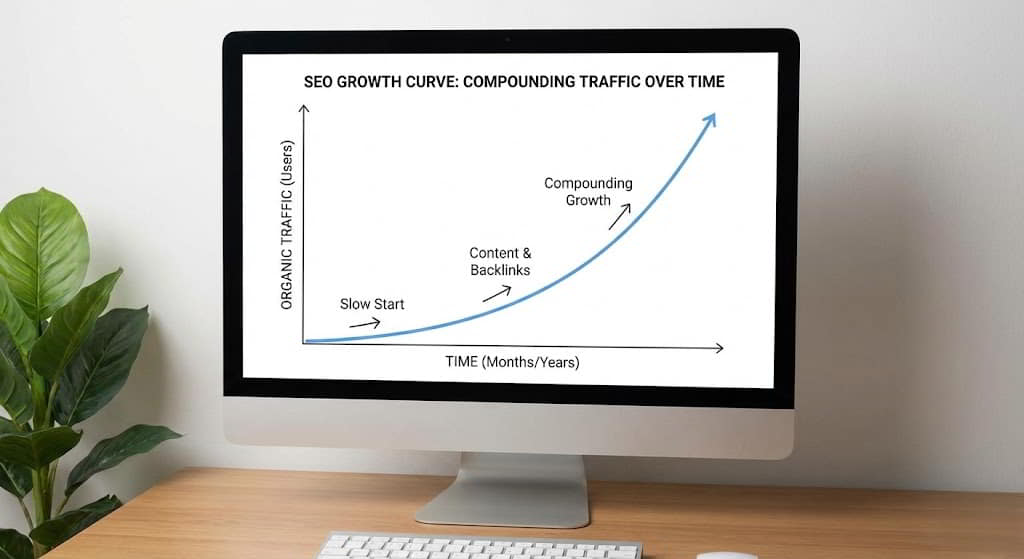
SEO compounds results instead of resetting each month.
2. Higher Trust and Credibility
Users trust organic results more than ads. Ranking organically:
- Builds brand authority
- Improves click-through rates
- Strengthens customer confidence
3. Better ROI Over Time
While SEO takes time, it often produces higher ROI long-term compared to paid campaigns that stop delivering once budgets are paused.
Benefits of Paid Ads for Faster Results
1. Immediate Traffic and Leads
Paid ads are ideal when:
- Launching new products or services
- Running time-sensitive campaigns
- Testing offers quickly
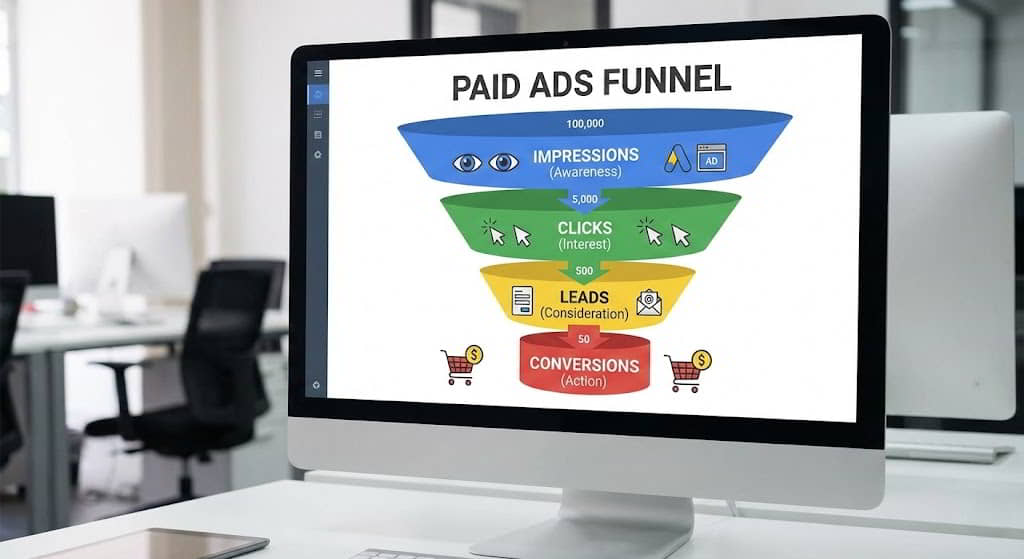
Traffic starts as soon as ads go live.
2. Precise Targeting and Control
Paid ads allow businesses to target:
- Specific keywords
- Demographics and locations
- User intent and behaviors
This level of control makes PPC powerful when managed correctly.
3. Scalable Short-Term Growth
With sufficient budget, paid ads can scale quickly—making them useful for rapid lead generation.
The Limitations of SEO and Paid Ads
SEO Limitations
- Requires time and patience
- Needs ongoing optimization
- Results are not immediate
Paid Ads Limitations
- Costs increase with competition
- ROI drops if campaigns are not optimized
- No traffic once ads stop
Understanding these limitations is key to building a balanced strategy.
SEO vs Paid Ads: Which One Delivers Better ROI?
There is no universal answer. The better strategy depends on:
- Business maturity
- Budget availability
- Growth timeline
- Competitive landscape
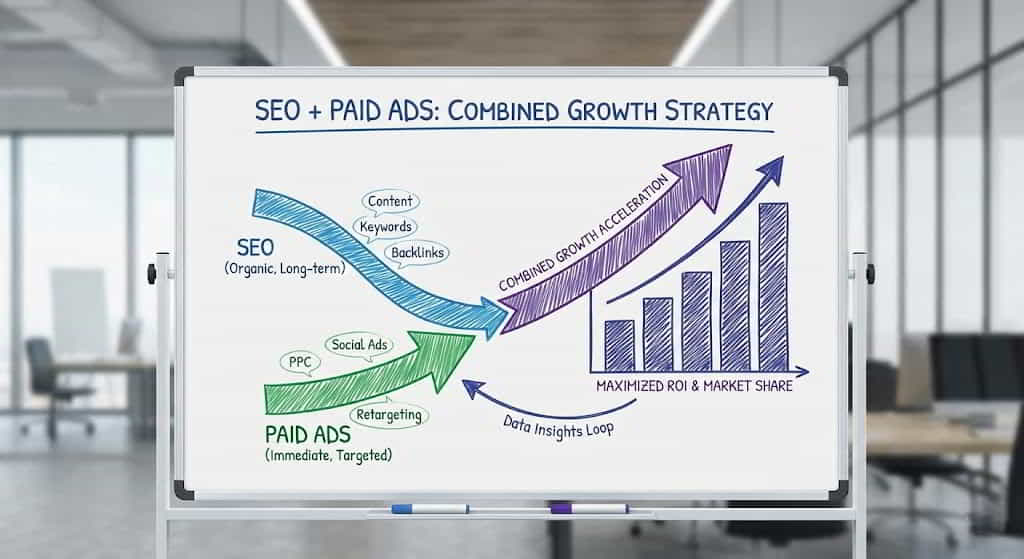
In most cases, the strongest digital marketing strategy combines both.
How to Decide the Right Strategy for Your Business
Choose SEO if:
- You want long-term, sustainable growth
- You’re building brand authority
- You want lower acquisition costs over time
Choose Paid Ads if:
- You need immediate visibility
- You’re promoting limited-time offers
- You want fast testing and validation
For most businesses, a hybrid approach delivers the best results.
How DBS Builds Balanced Growth Strategies
At DBS, we don’t treat SEO and paid ads as competing channels—we align them.
Our Approach:
- SEO-first foundation for long-term growth
- Paid ads for immediate traction and testing
- Data-driven optimization across channels
- ROI-focused performance tracking
We help businesses build scalable growth engines—not short-term spikes.

Conclusion: SEO vs Paid Ads Is Not a Choice—It’s a Strategy
The real question isn’t SEO vs paid ads—it’s how to use both effectively. SEO builds authority and sustainability, while paid ads deliver speed and control.
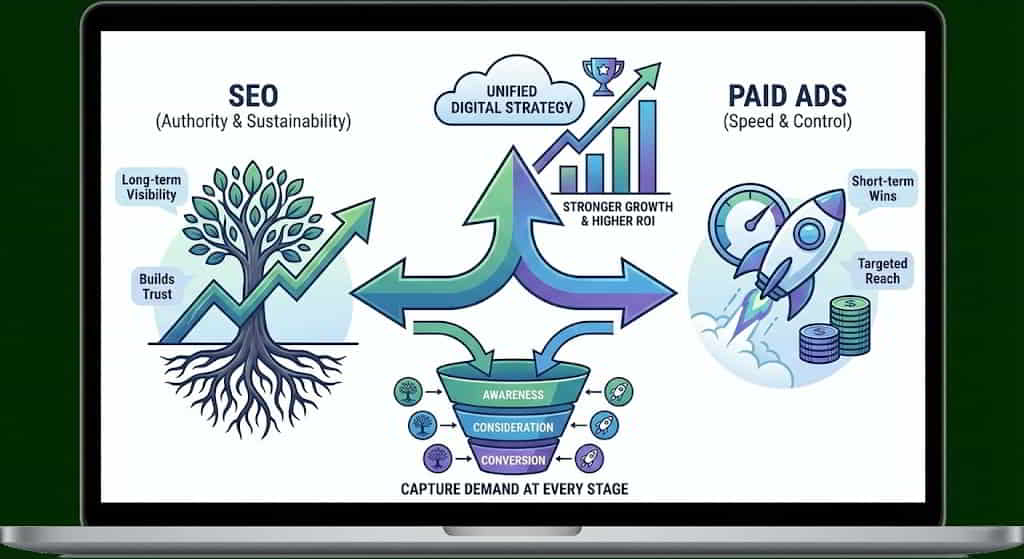
Businesses that align both within a unified digital marketing strategy achieve stronger, more predictable growth and higher ROI.
When SEO and paid media work together, brands capture demand at every stage of the funnel—balancing short-term wins with long-term visibility and performance.
This integrated approach allows businesses to adapt quickly to market changes, test and refine messaging in real time, and reinvest learnings from paid campaigns into long-term organic growth. Over time, the synergy between SEO and paid ads reduces acquisition costs, strengthens brand trust, and creates a resilient marketing engine that scales sustainably. Together, they turn marketing into a consistent, compounding growth driver rather than a one-time tactic.
Not sure how to balance SEO and paid ads for your business?
Talk to DBS and build a growth strategy that delivers results.