

Why Scalability Matters in Modern Websites
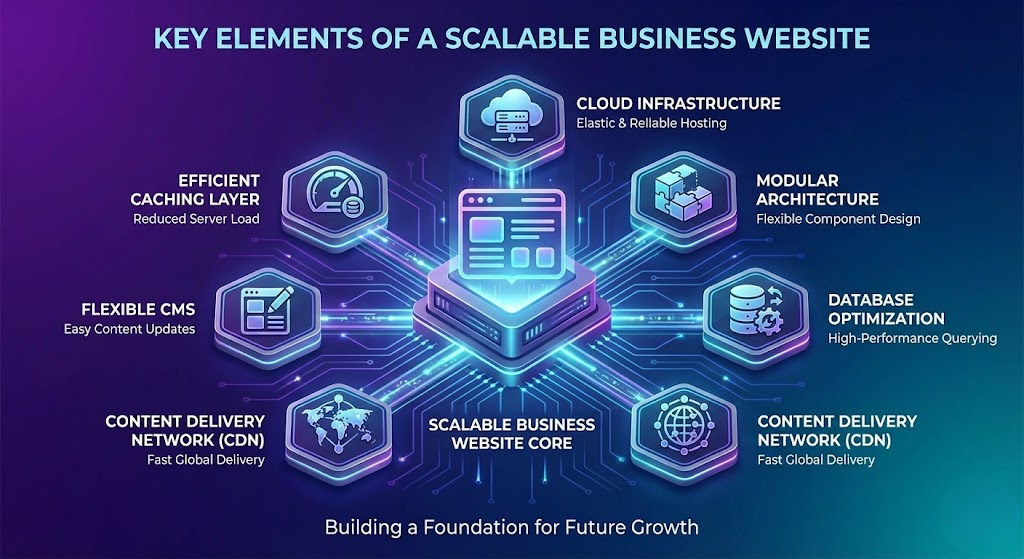
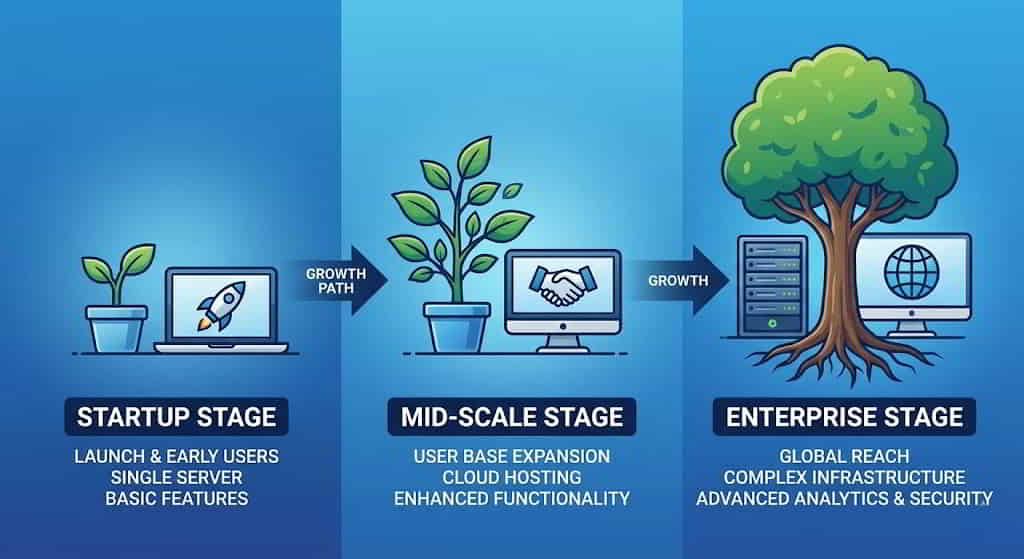
A business website is not a static asset—it evolves as the organization grows. Traffic increases, content expands, integrations multiply, and user expectations rise. Without scalable website design, even a well-built site can become slow, unstable, and expensive to maintain.
Scalability ensures your website can grow without rework, downtime, or performance loss. For businesses planning long-term digital growth, scalability is not optional—it is foundational.
What Is Scalable Website Design?
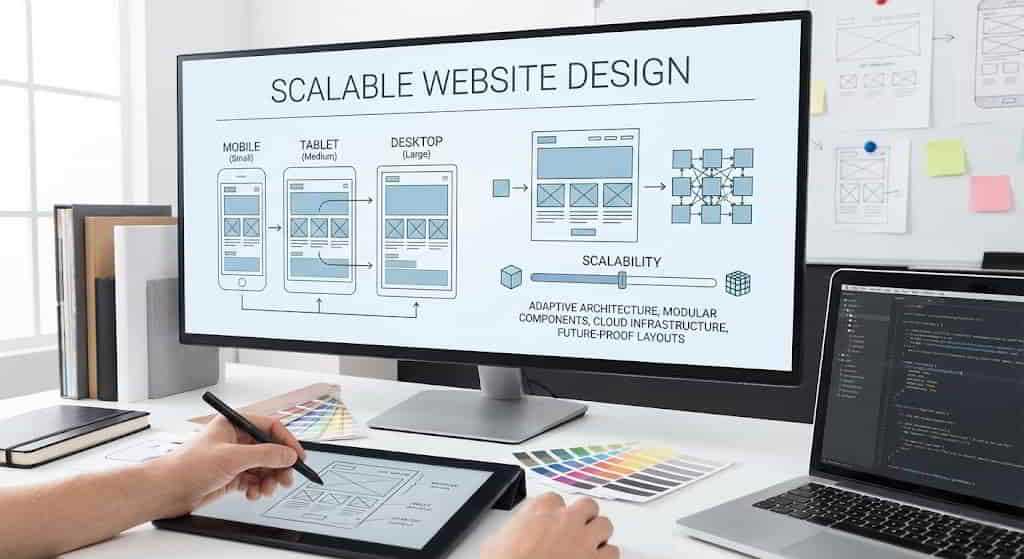
Scalable website design refers to building websites that can:
- Handle increasing traffic volumes
- Support expanding content and features
- Integrate new systems and tools
- Maintain performance as complexity grows
Scalability is achieved through the right combination of architecture, platforms, and development practices.
Why Non-Scalable Websites Limit Business Growth
Websites that are not built for scale often face:
- Performance degradation as traffic grows
- High costs for feature additions
- Frequent downtime during updates
- Security and maintenance risks
These issues slow innovation and force costly rebuilds later.

Core Elements of a Scalable Business Website
1. Scalable Web Architecture
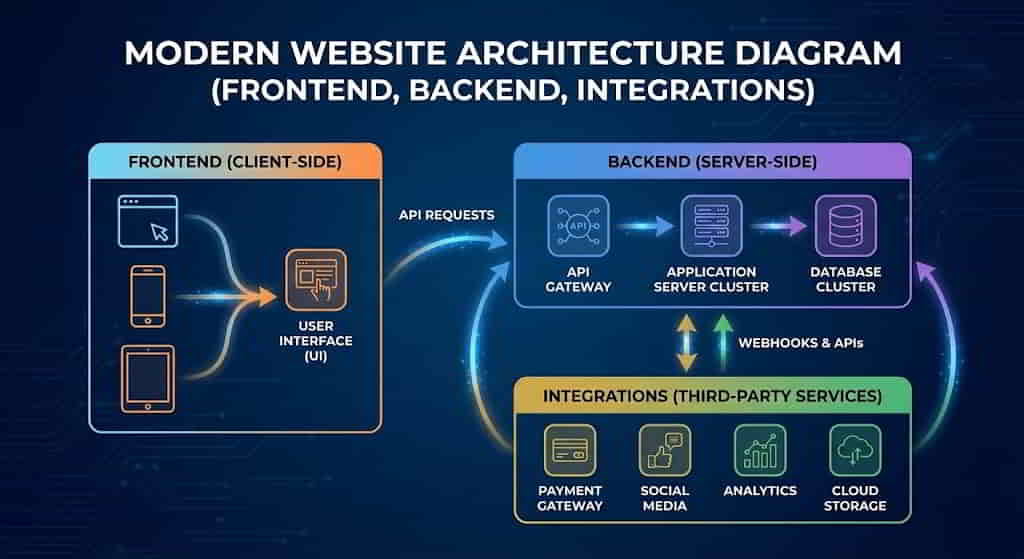
A strong web architecture is the backbone of scalability. This includes:
- Modular and component-based structures
- Separation of frontend and backend concerns
- Clean APIs for integrations
Well-designed architecture allows features to be added without disrupting existing functionality.
2. Choosing Scalable Platforms
Not all platforms scale equally. Scalable platforms support:
- Performance optimization
- Flexible hosting environments
- Plugin and integration ecosystems
- Long-term maintainability
Platforms like WordPress—when built correctly—can scale from small business sites to enterprise-grade platforms.
3. Performance-First Development
Scalability fails without performance. Key practices include:
- Optimized asset loading
- Efficient database queries
- Caching and CDN usage
- Core Web Vitals compliance
Performance-first development ensures growth doesn’t degrade user experience.
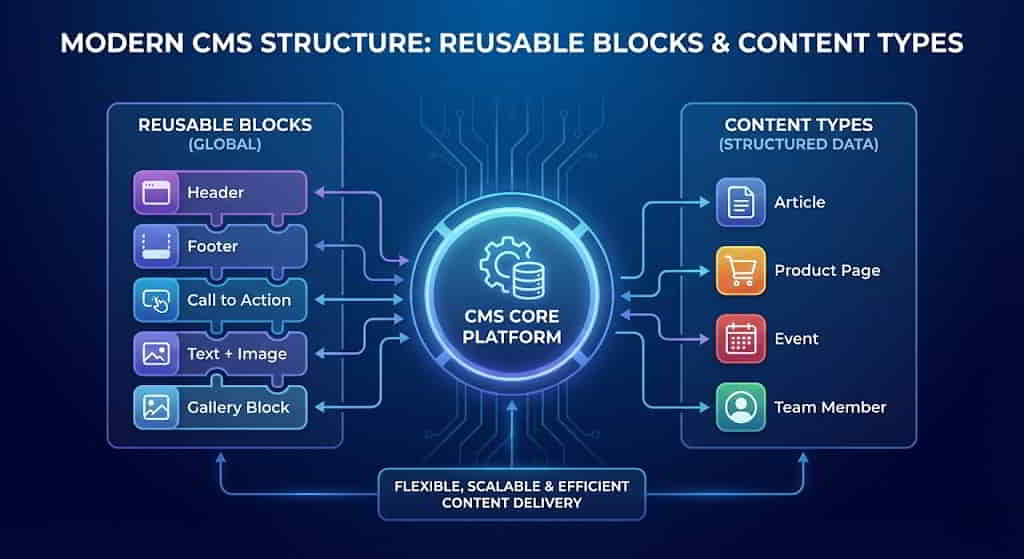
4. Flexible Content Management Structure
As content grows, your CMS must support:
- Custom content types
- Structured taxonomies
- Reusable content blocks
This enables faster publishing, better SEO, and consistent design at scale.
5. Scalable Hosting and Infrastructure
Infrastructure scalability ensures your website can handle:
- Traffic spikes
- Seasonal demand
- Global users
This includes:
- Cloud-based hosting
- Auto-scaling resources
- Load balancing
- CDN integration
6. Security and Stability at Scale
As websites grow, they attract more threats. Scalable websites implement:
- Regular security updates
- Access control and role management
- Monitoring and backups
- Compliance-ready configurations
Security must scale alongside traffic and features.

7. Integration-Ready Design
Growing businesses rely on multiple systems:
- CRM and marketing tools
- Analytics platforms
- Payment gateways
- ERP and internal systems
A scalable website is built to integrate—without custom rebuilds.
Common Scalability Mistakes to Avoid
Many businesses struggle because of:
- Over-customized themes
- Hardcoded layouts
- Poor plugin selection
- Ignoring performance early
- No long-term architecture planning
These mistakes compound over time and limit scalability.
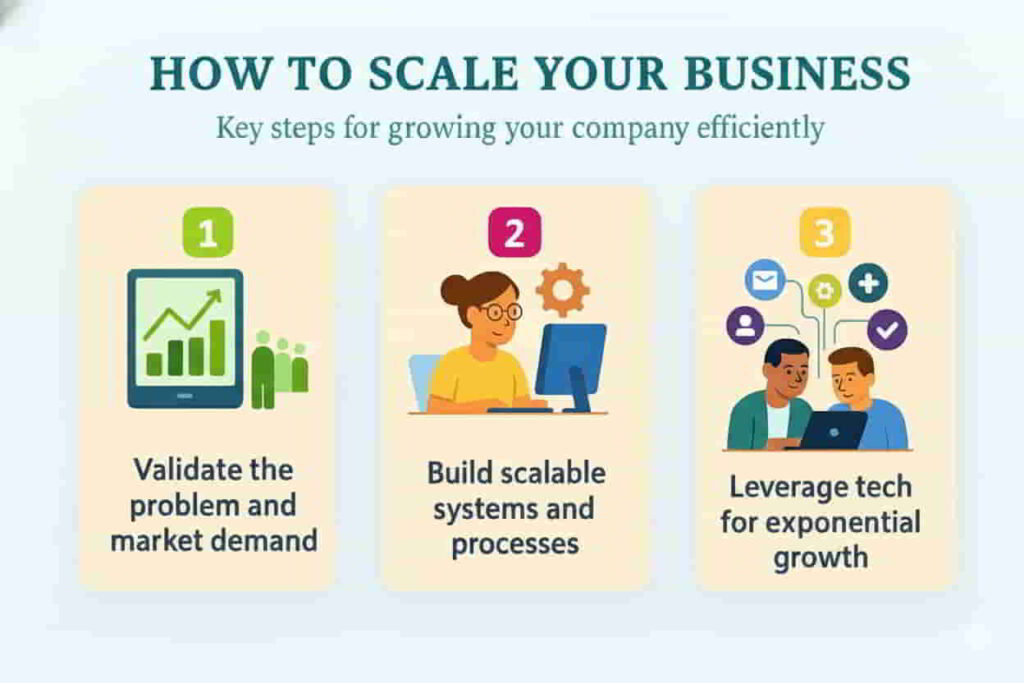
How Scalable Website Design Supports Business Growth

Scalable websites enable businesses to:
- Launch new features faster
- Expand into new markets
- Support higher traffic and conversions
- Reduce long-term technical debt
Scalability creates operational agility, not just technical efficiency.
How DBS Builds Scalable Business Websites
At DBS, scalability is embedded into every website we build.
Our Scalable Design Approach:
- Modular, future-ready architecture
- Performance-first development
- Scalable WordPress and headless solutions
- Clean integration frameworks
- Enterprise-grade security practices
We build websites that grow with your business—not against it.
Conclusion: Build Once, Scale Confidently

A scalable website is a long-term investment in digital growth. By focusing on scalable website design, robust web architecture, and future-ready platforms, businesses can avoid costly rebuilds and stay agile as they grow.
Scalability ensures your website remains fast, secure, and adaptable—no matter how far your business scales.
With the right foundation in place, your digital presence can evolve seamlessly alongside your business, supporting innovation, expansion, and sustained success.
Planning for growth? Make sure your website is ready.
Partner with DBS to build a scalable business website designed for long-term success.