The Rising Demand for Data and Analytics Expertise
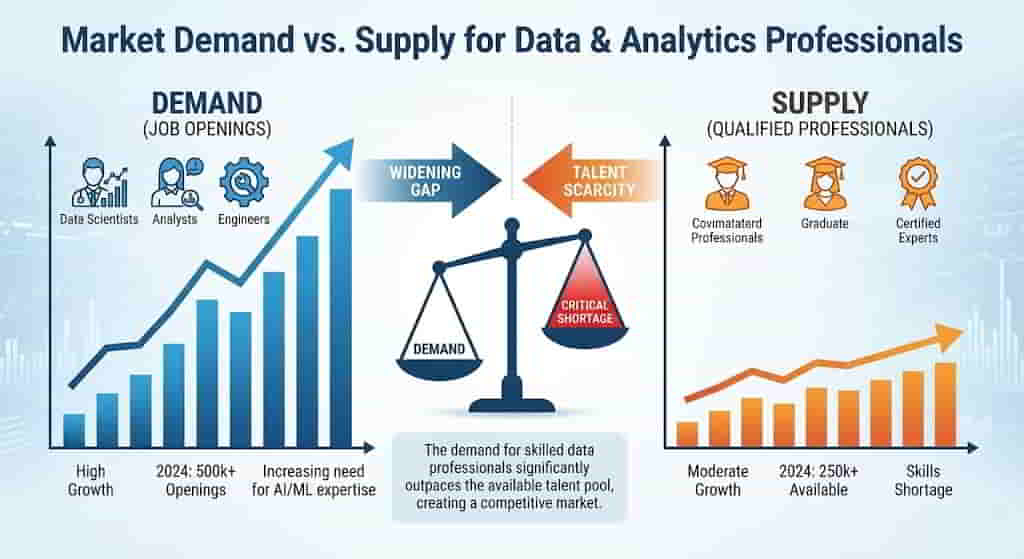
Data-driven decision-making is no longer optional. Organizations across industries rely on analytics to improve performance, predict trends, and stay competitive. As a result, demand for data analytics talent has surged—far outpacing supply.
However, many companies struggle to attract, hire, and retain the right analytics professionals. Understanding these challenges is the first step toward building effective solutions.
The Current State of the Data Analytics Talent Market
The analytics ecosystem has expanded rapidly, covering:
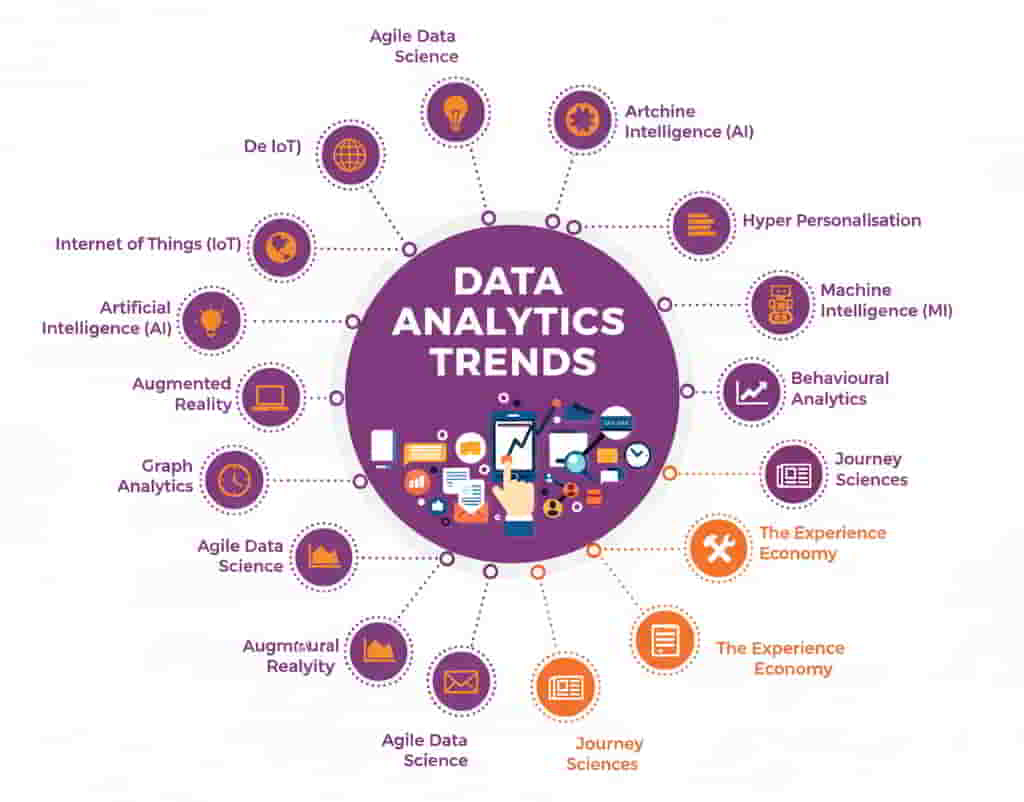
- Data engineering
- Business intelligence
- Advanced analytics
- AI and machine learning
This growth has intensified the data skills shortage, making traditional hiring approaches increasingly ineffective.
Key Challenges in Hiring Data and Analytics Talent
1. Severe Data Skills Shortage
The biggest challenge is the lack of experienced professionals with:
- Strong statistical foundations
- Hands-on analytics tools experience
- Business and domain understanding
Universities and training programs are not producing talent fast enough to meet enterprise demand.
2. Rapidly Evolving Skill Requirements
Analytics tools and platforms evolve continuously:
- New data frameworks
- Cloud-native analytics stacks
- Advanced AI-driven tools
Candidates with relevant skills today may become outdated quickly, making long-term hiring risky.
3. High Competition and Rising Salary Costs
Top analytics professionals receive multiple offers. This leads to:
- Salary inflation
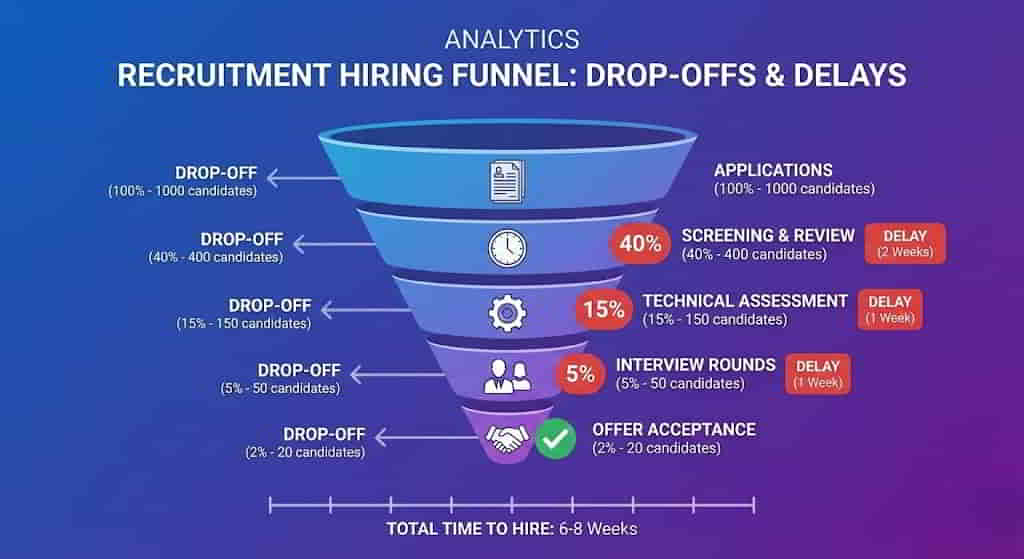
- Increased hiring time
- Offer drop-offs
Smaller and mid-sized companies often struggle to compete with large enterprises and tech giants.
4. Long Recruitment and Onboarding Cycles
Hiring analytics talent typically involves:
- Multiple technical interviews
- Tool-specific assessments
- Long notice periods
These delays can stall critical analytics initiatives.
Why Traditional Hiring Models Fall Short
Permanent hiring assumes:
- Stable long-term skill requirements
- Predictable workloads
- Low attrition risk
In reality, analytics projects are dynamic, making rigid hiring models inefficient and costly.
How to Solve Data Analytics Hiring Challenges
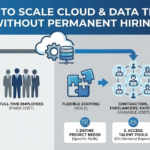
1. Adopt Flexible Analytics Staffing Models
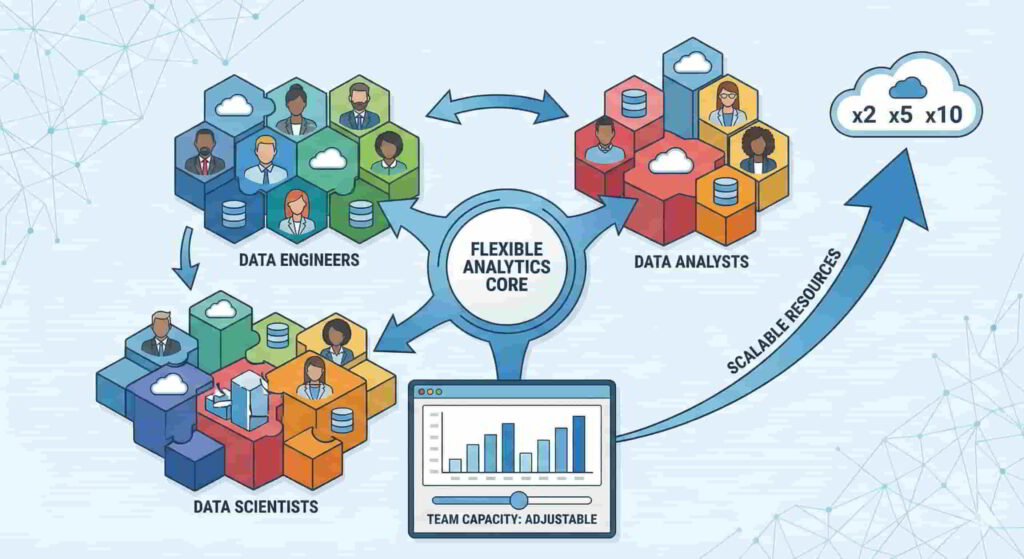
Instead of relying solely on permanent hires, organizations can leverage flexible models that provide:
- On-demand analytics experts
- Scalable team structures
- Faster access to specialized skills
This approach directly addresses the analytics hiring bottleneck.
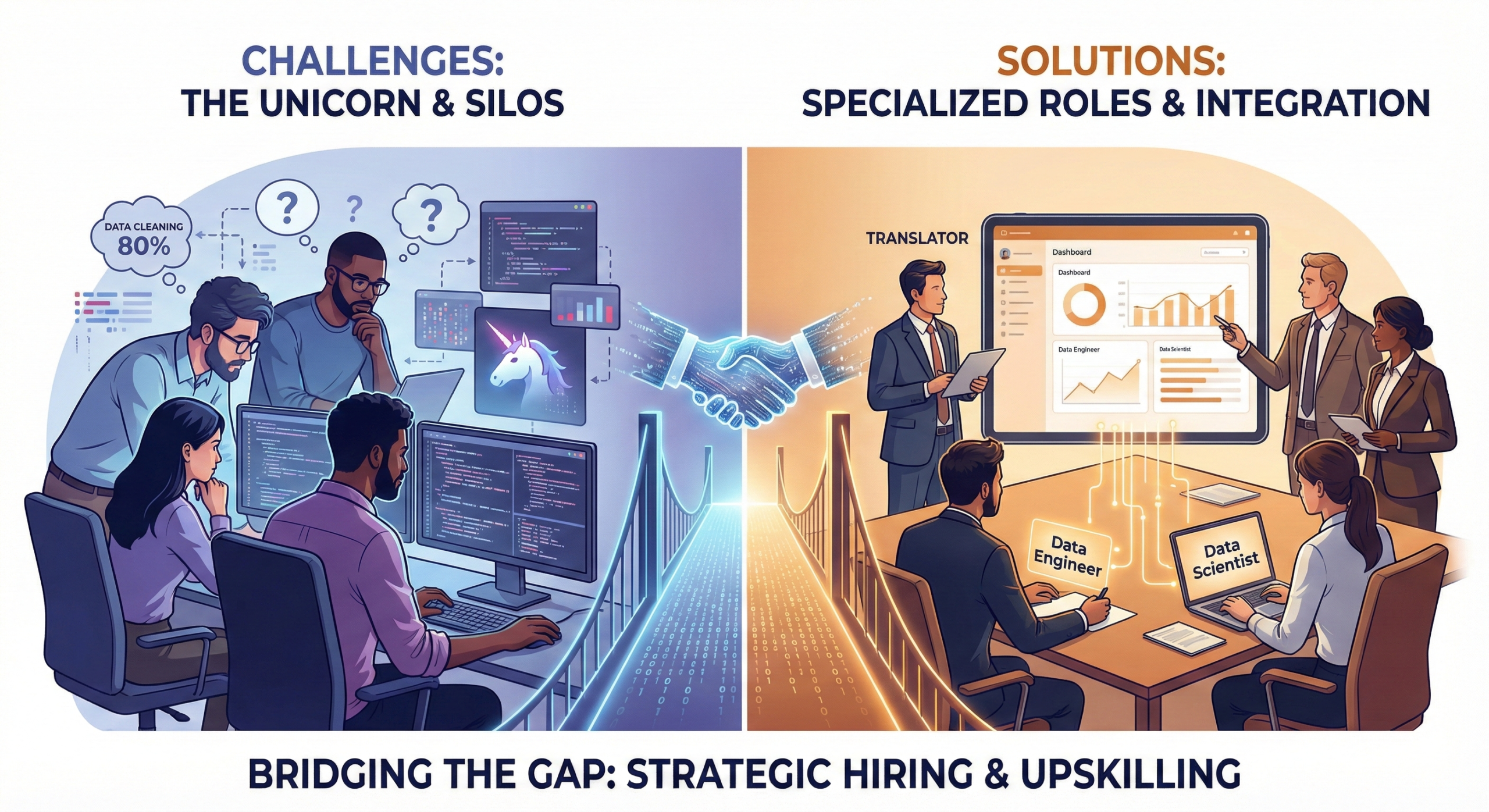
2. Focus on Skills-Based Team Composition
Rather than hiring generalists, build teams based on:
- Specific use cases
- Project timelines
- Required tools and platforms
This reduces over-hiring and improves productivity.
3. Reduce Risk with Contract-to-Scale Approaches
Flexible engagements allow organizations to:
- Validate talent before long-term commitment
- Scale teams up or down based on outcomes
- Avoid long-term salary overhead
When Flexible Analytics Staffing Works Best
This approach is ideal for:
- Data platform modernization
- BI and reporting initiatives
- Advanced analytics and forecasting
- AI and ML proof-of-concept projects
If requirements are evolving, flexibility is essential.
Why Enterprises Are Rethinking Analytics Hiring
Modern organizations prefer flexible analytics staffing because it:
- Accelerates delivery timelines
- Reduces hiring risk
- Improves access to niche skills
- Aligns talent costs with business value
This shift is redefining how companies address the data skills shortage.

How DBS Helps Solve Data Analytics Talent Challenges
At DBS, we help organizations overcome analytics hiring challenges through proven staffing solutions.
What We Offer:
- Pre-vetted data and analytics professionals
- Flexible engagement models
- Fast onboarding and deployment
- Governance aligned with enterprise standards
- Talent aligned to business outcomes
Our approach ensures access to the right skills—without long-term hiring constraints.
Conclusion: Building Analytics Capability Without Hiring Bottlenecks
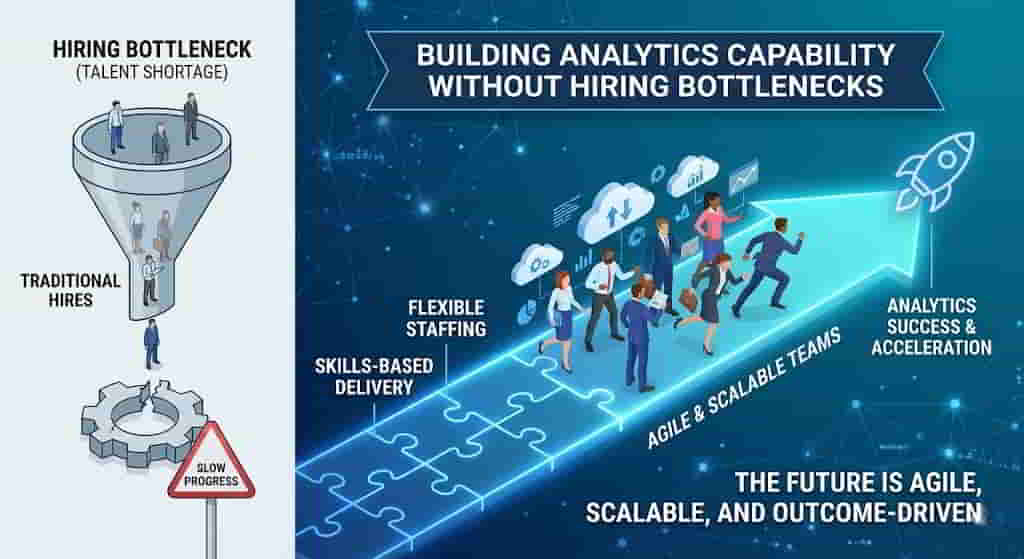
The shortage of data analytics talent is a reality—but it doesn’t have to slow your business. By adopting flexible staffing strategies and focusing on skills-based delivery, organizations can overcome hiring challenges and accelerate analytics success.
The future of analytics lies in agile, scalable, and outcome-driven teams.
This approach empowers organizations to access the right expertise at the right time, turning data into actionable insights without the delays and risks of traditional hiring.
Struggling to hire data and analytics talent?
Partner with DBS to build high-performing analytics teams—faster and smarter.